Assembly bill would tax house flippers, those who sell homes a few years after buying
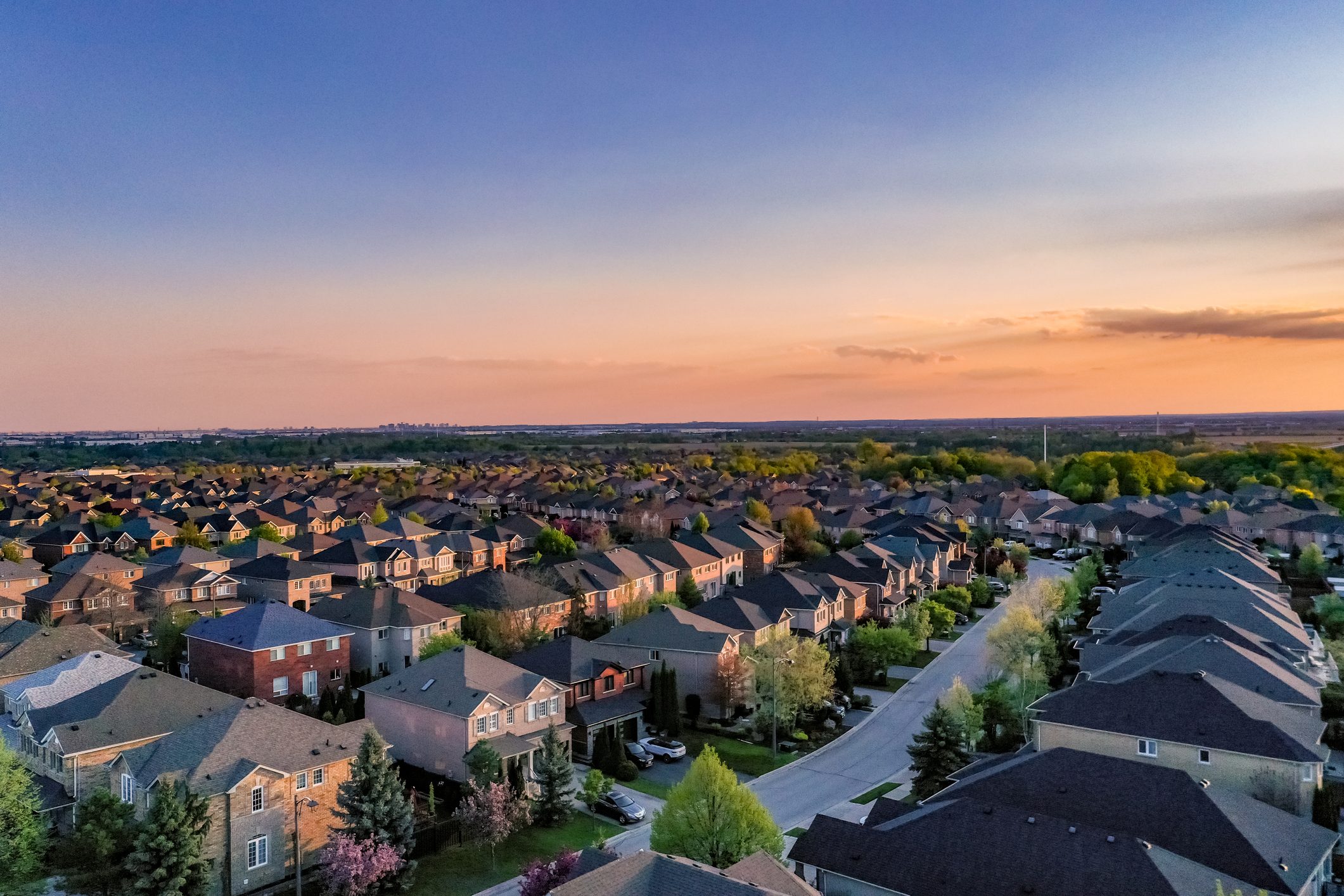
Source: LA Times
House flippers could be taxed 25% of their profit under the California Speculation Act, a bill introduced by Assemblymember Chris Ward (D-San Diego).
Assembly Bill 1771 aims to discourage real estate speculation that Ward said drives up home prices as equity investors outbid individual home buyers.
“We’ve heard of people getting into their first home getting beat by cash offers” from investors, Ward said at a news conference Wednesday at the San Diego County Administration Center.
Those investors typically resell the properties soon afterward at inflated prices, stoking competition for limited housing and driving up market prices for comparable homes, he said.
After the third year, that rate would drop to 20%, and it would decline each year afterward until it is eliminated after seven years.
Taxes collected from short-term sales would be distributed to cities, schools and affordable housing funds, Ward said.
The goal is to create a disincentive for equity investors, freeing up homes for people buying for personal use.
“When investors fall out of the buying pool, that will give regular home buyers a chance to buy a home,” Ward said.
Housing prices rose about 20% statewide in 2021, Ward said. In San Diego, they jumped 26% last year, earning the region the distinction as the nation’s least affordable metro area, with housing prices outpacing income.
Meanwhile, the share of homes purchased by investors instead of families has increased in recent years, the bill stated.
First-time homeowner Trisha Cortez spoke during the news conference, describing her recent experience house-hunting in the San Diego area. A healthcare worker with good credit, she said she was easily able to secure a loan but the search was a grueling process until she bought a condo in Talmadge.
“I regularly offered above asking prices, but cash buyers would swoop in and take the property,” she said. “I’ve been denied 33 times before getting a home.”
Housing production is falling far behind demand, said University of San Diego economics professor Alan Gin. The region needs about 17,000 new homes per year, but over the last three years it has produced just about half that — 8,216 homes constructed in 2019; 9,472 built in 2020 and 9,358 in 2021, he said.
Other real estate experts said that’s the real issue. Despite efforts to curb real estate speculation, there will be no relief for home buyers until more housing is built, said Lori Pfeiler, chief executive of the Building Industry Assn. of San Diego County.
“While we appreciate Chris’ objective, ultimately this is a supply issue,” Pfeiler said. “We don’t have enough homes for sale, inventory is low and anyone thinking of selling their home just won’t sell their home; they’ll figure out how to hold on to it.”
Pfeiler said lowering fees and reducing regulatory barriers to housing construction would be more effective at curbing prices.
Gin said that San Diego is such a desirable location that housing speculation would probably continue even with greater home production.
Gary London, a real estate economist and senior principal with London Moeder Advisors, warned that while the bill may ease pressure on buyers, it would limit options for sellers. He said most institutional investors target mid-price housing rather than luxury homes, so the sellers most affected would be middle-income homeowners rather than the wealthy.
Pfeiler also said the bill could inadvertently reduce geographic and economic mobility by restricting people from selling a home because of a job change or other economic necessity, she said.
“Chris is looking for bold ways to help us with the housing crisis, but on many, many fronts this will constrain supply and constrain people’s choices about what job they take and where they locate,” she said.
Ward said that the bill may be amended to exclude primary residences.
“We will continue to look for those buckets of people who should be exempted,” he said. “The intent of this bill is not to penalize everybody but to dissuade activity that is driving up prices for everybody.”
Read more Insights